Collecting customer details without putting them off
Without contact details, a loyalty programme rewards but does not build loyalty: you can neither tell who is drifting away nor get back in touch. It is the piece most often missing, and the one handled most clumsily.
Because asking for a phone number, in Morocco as anywhere, is a delicate moment. Badly introduced, it loses you the customer you were trying to keep.
The moment decides everything
The same sentence, said at two different moments, gives opposite results.
| Moment | What the customer feels | Result |
|---|---|---|
| At the door | I am being asked for something before being served | Frequently refused |
| At the till | I was served well, and I am being offered a benefit | The best moment |
| After they leave | I have to go out of my way | Almost nobody |
The till wins for a simple reason: the customer has just trusted you by paying. The transaction is over, they are expecting nothing more, and they are available for ten seconds. It is the only window where asking costs nobody anything.
One piece of information at a time
The most common mistake is the full form: surname, first name, phone, email, date of birth, town. Every extra field makes a share of people give up, and at the counter that share is brutal.
Ask for the minimum that lets you do something. For most shops, that is a phone number. The rest can come later, or never.
- The phone number — essential if you plan to use WhatsApp. It is also what identifies a customer from one visit to the next.
- The email — useful for those who will not give a number, and for anything long to read. Less often opened, but free to send.
- The first name — optional, and yet what makes a message readable. Ask for it, do not make it compulsory.
- The date of birth — only if you genuinely intend to do something with the birthday. Otherwise it is data collected for nothing.
What to say, and what not to say
The wording matters more than the tool. Compare:
- «I need your number» — a demand, with nothing in return. The customer wonders why.
- «Would you like to join our programme?» — vague. Join what, and to what end?
- «Shall I give you your first stamp? The eleventh coffee is on us.» — an offer, with the benefit stated before the request.
The third works because it gives before it asks. The customer knows what they get, and the contact detail becomes a technical detail rather than the subject of the conversation.
One last point, often forgotten: say what you will do with it. «We'll let you know when your reward is ready» reassures more than anything else. The customer fears cold marketing, not loyalty.
Consent, concretely
In Morocco, the handling of personal data is governed by law 09-08, under the supervision of the CNDP. This guide is not legal advice, and the principles below are the ones that govern a shop's day-to-day practice.
- Having a number does not grant the right to use it. The customer must have agreed to receive your messages, separately from having given you the number.
- Consent must be traceable. If you cannot show when and how it was given, you do not have it.
- Leaving must be as easy as joining. An unsubscribe link in every email, a STOP reply on WhatsApp.
- Data serves the purpose it was given for. A number left for loyalty is not resold and is not used for anything else.
These rules are not only legal, they are commercial: a customer who feels respected stays, a customer who feels marketed at blocks your number — and on WhatsApp, too many blocks get your account suspended, as explained in the WhatsApp Business guide.
What kills a collection effort
- A paper form. Slips get lost, handwriting is illegible, and nobody ever types them up.
- Retyping a number at the till. One wrong digit, and the customer no longer exists in your list. It is common and invisible.
- Asking during the rush. The customer says no, and your team stops offering.
- Never using it. A customer who gives their number and never hears from you will wonder why they gave it.
Where to start
- Choose one single piece of information to ask for, and stick to it for a month.
- Write one sentence for the team, and have everyone say it the same way.
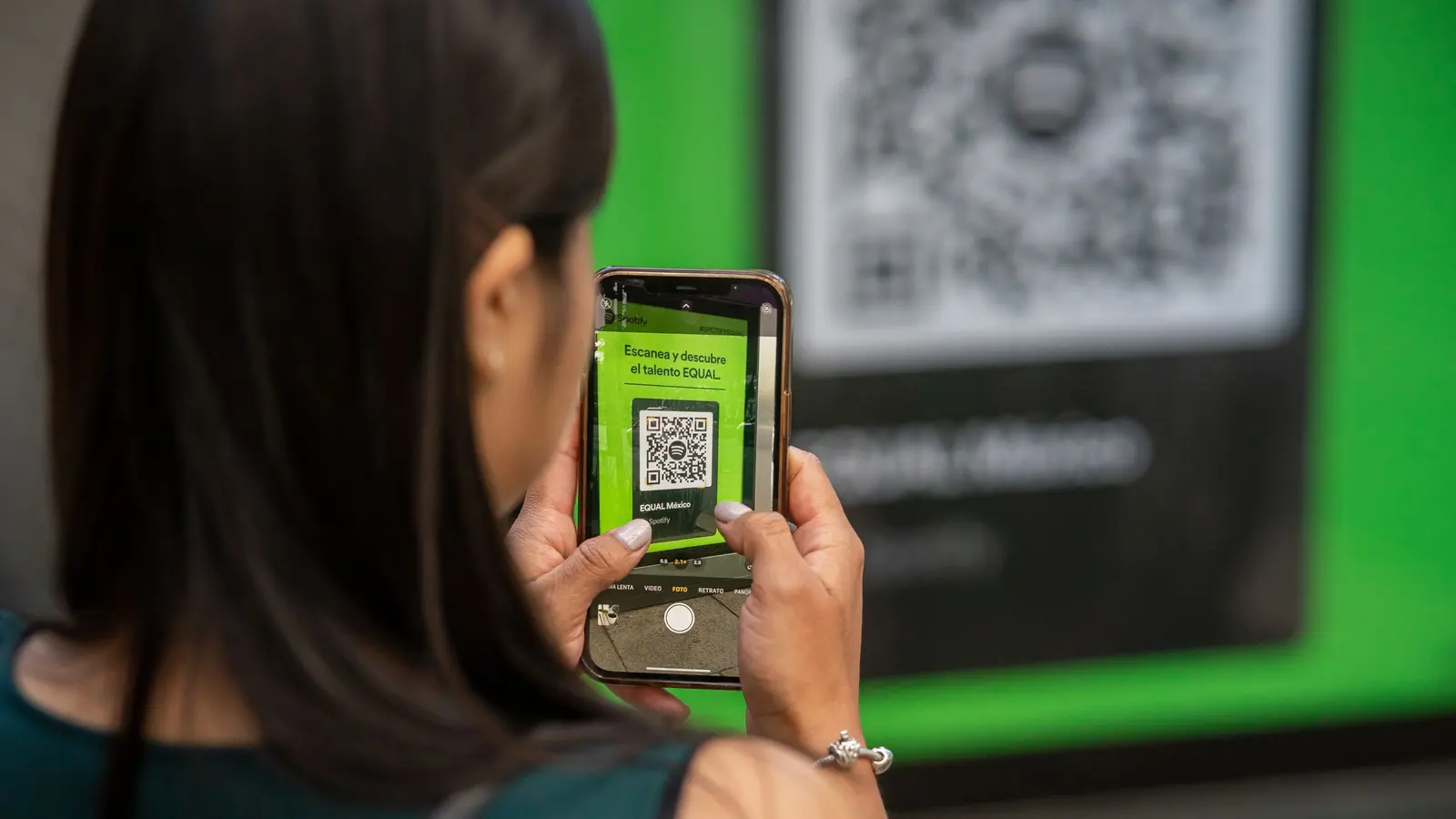
- Make sure the data lands somewhere without retyping — a scanned code beats a dictated number.
- Send something within two weeks. A dormant list goes stale, and consent is forgotten.
The detail of what we collect and how a customer can exercise their rights is set out in our privacy policy.